Active leak: what to do right now
Water that is visibly running through a ceiling or a wall is an emergency. It can soak insulation, bring down drywall and reach electrical wiring in minutes.
Shut off the main water valve, switch off power to affected rooms if it is safe to reach the panel, move valuables and call us. If you cannot find the valve, we can talk you through finding it.
Meter testMeter still running or a high water bill
Many leak calls begin with a bill that does not match your usage. The quickest check is the meter. Turn off every fixture and appliance, then watch the small dial or flow indicator on the meter. If it moves, water is going somewhere.
We then isolate the house line, the irrigation, the water heater and the fixtures one by one. That narrows the leak to a zone before we use any equipment.
MethodsHow we find the leak without tearing things apart
| Tool | What it shows | Best for |
|---|---|---|
| Acoustic listening | The sound of water escaping under pressure | Slab and buried leaks |
| Thermal imaging | Temperature differences from wet or hot-line areas | Walls, ceilings and floors |
| Pressure testing | Whether a zone holds pressure | Isolating supply lines |
| Tracer gas | Where gas escapes from a sealed line | Hard-to-find small leaks |
| Pipe camera | Cracks inside drain lines | Drain and sewer leaks |
Ceiling and wall leaks
A stain that spreads across a ceiling points to a supply line, a drain or a roof. Moisture readings and thermal imaging help separate them. A supply leak stays active when the house is dry outside, and a roof leak appears with rain.
UnderneathUnder the house and crawlspace
A leak below a raised floor can wet insulation and encourage mold. We inspect accessible crawlspaces for dripping lines, damp soil and sagging insulation, then repair the line or advise on further drying.
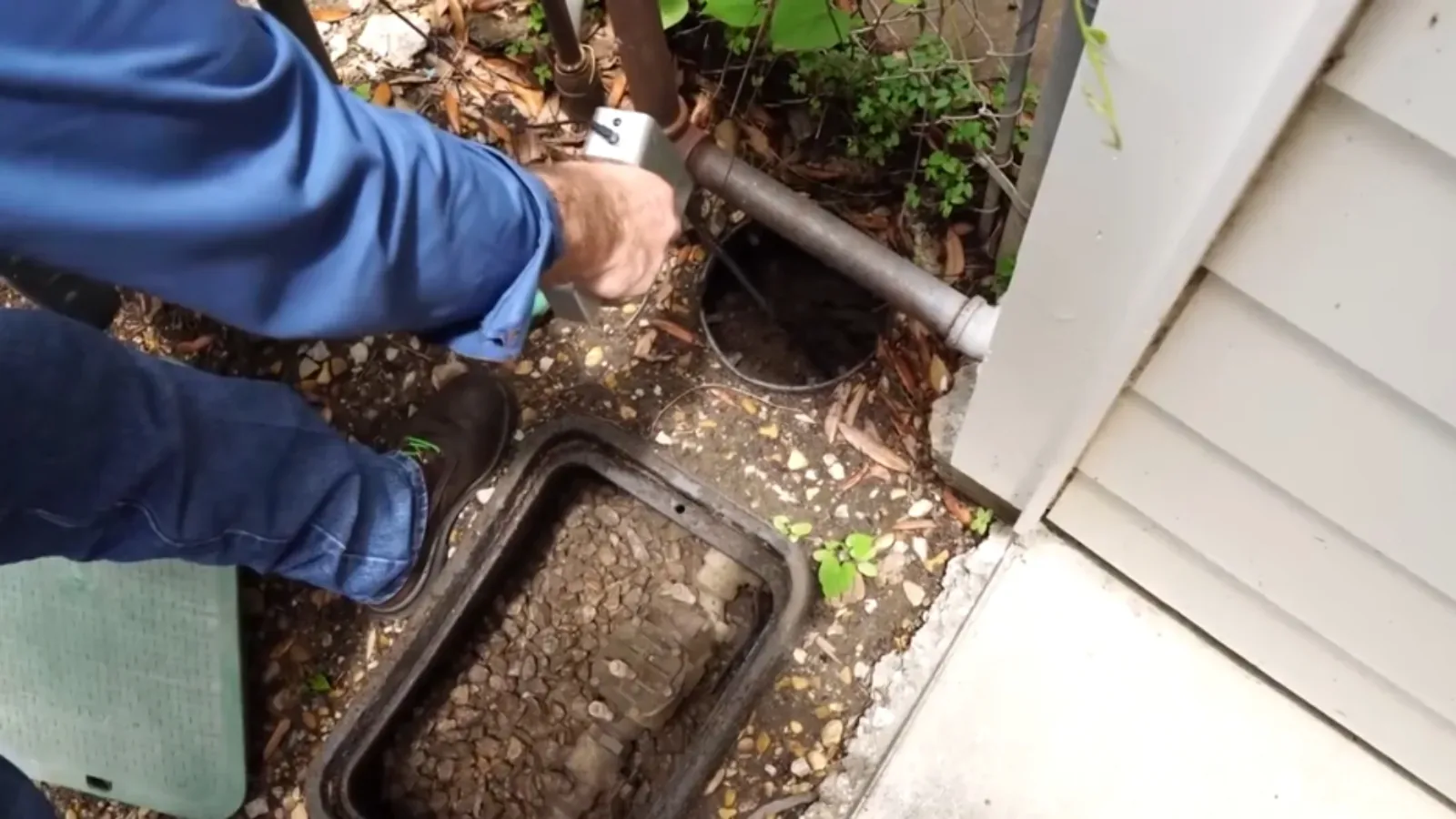
OutdoorsBuried lines, irrigation and meter-box leaks
A leak in the yard may show as a soft patch of ground, a lush strip of grass or a meter box that is always full. Irrigation lines and the service line from the meter are the usual sources. We pressure-test each to find which one is losing water.
Pool and spa leaks are a separate specialty. We check the supply and return plumbing, and if the pool shell is losing water, we tell you plainly and point you to a pool specialist.
Codes and standards
According to the EPA WaterSense program, the average household wastes nearly 10,000 gallons of water a year to leaks. That is why a meter test and a toilet dye test are the first checks we suggest.
Meter moving and no one using water?
Call us. A plumber can talk you through the meter test and schedule the detection visit.
Once a leak is found, the repair depends on where it is. Slab leak repair covers leaks under concrete, water line repair covers the service line, and burst pipe repair covers a pipe that has failed outright. If the cause is a worn-out supply system, repiping may be the lasting fix.
FAQsQuestions about leak detection in Prescott Valley
Yes. An active leak is urgent and our 24/7 line takes those calls day and night. We offer same-day appointments when available, and the dispatcher confirms the earliest window for your address.
Signs include a meter that moves with all water off, a rising bill, damp spots, musty smells and warm floors. The meter test is the quickest check.
We use acoustic listening, thermal imaging and pressure testing to narrow it to a small zone. We open only that area.
Some policies cover the cost of finding a covered leak and not the repair of worn pipe. Check your policy and keep the report.
Yes. We pressure-test irrigation lines and check valves, and we look for wet patches that point to a break.
We offer same-day appointments when available, and the 24/7 line takes active-leak calls at night and on weekends.